Syndicate presents journalism from our favourite sources around the web.
Francis Ford Coppola ’s The Godfather transformed the gangster film genre, bringing Mario Puzo ’s acclaimed novel to the screen and creating one of cinema’s greatest works. With two sequels, The Godfather series remains a cornerstone of the genre, celebrated for its storytelling, stellar performances, and establishing the template for modern mob films.
Over the years, audiences have analyzed Coppola’s films, discussing the intricate details and symbolism that enhance their significance. A notable motif is the recurring presence of oranges, which appear during crucial moments across all three films. Coppola himself has acknowledged that he initially included the vibrant fruit to contrast the darker scenes, yet the appearance of an orange is unmistakably a sign that a pivotal event is imminent.
10
Meeting with the Partners in Cuba
‘The Godfather: Part II’ (1974)
Image via Paramount Pictures
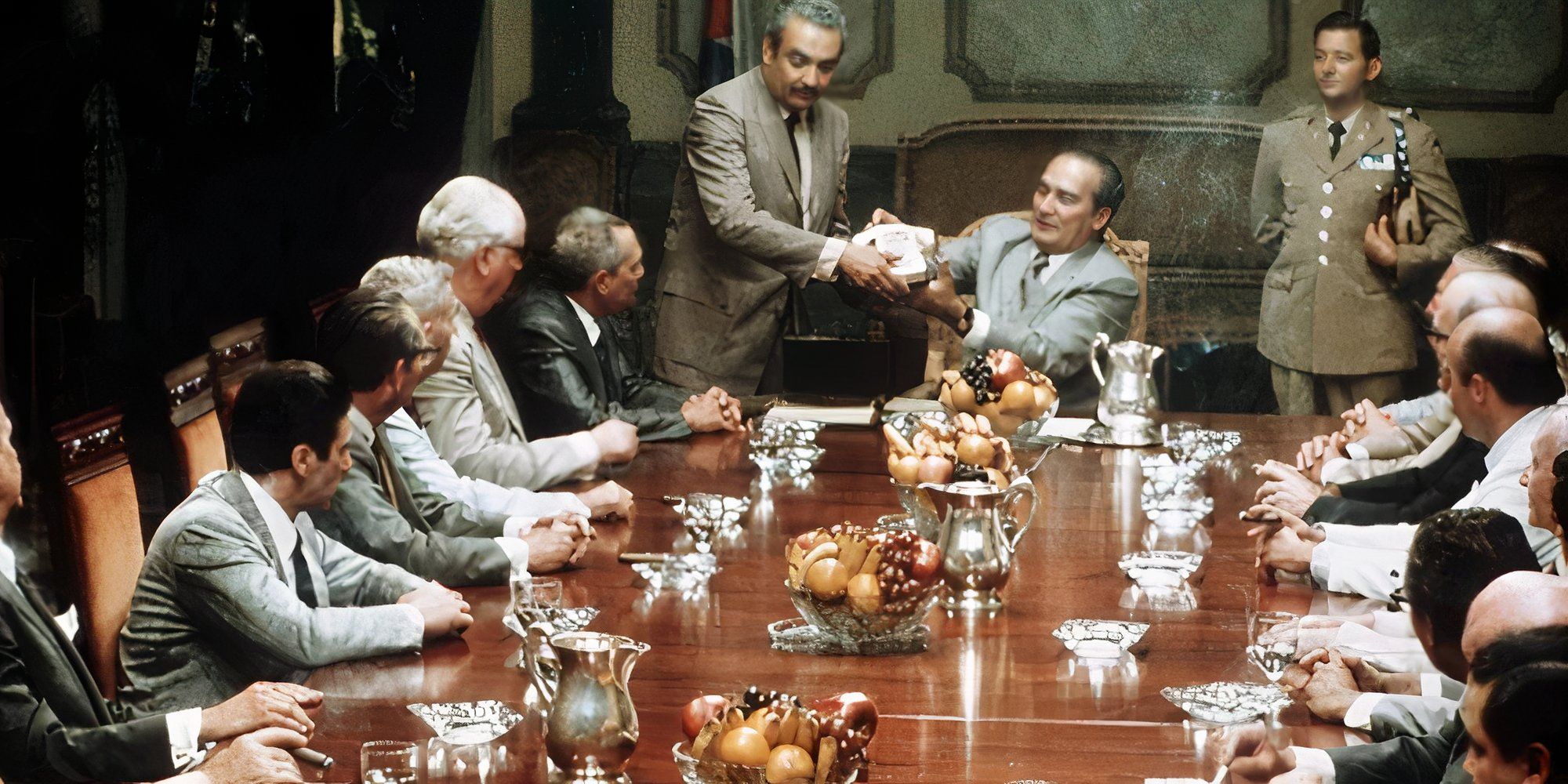
In The Godfather: Part II, Michael Corleone ( Al Pacino ) travels to Cuba to meet Hyman Roth ( Lee Strasberg ) and others involved in Roth’s investments during the Batista regime. The meeting table is adorned with bowls of fruit, prominently featuring oranges. At this juncture, Michael has yet to finalize his partnership with Roth, and shortly after, he witnesses a confrontation involving Cuban rebels and soldiers that prompts him to reconsider his business dealings.
Before their meeting, Michael leads Roth to believe he intends to invest while concealing his awareness of Roth’s assassination attempt on him. After the meeting, Michael confronts Roth with his opposing views, resulting in a tense exchange. Following their dispute, their relationship deteriorates, compounded by the fall of the government to the rebels and Michael’s discovery of Fredo’s (John Cazale) betrayal.
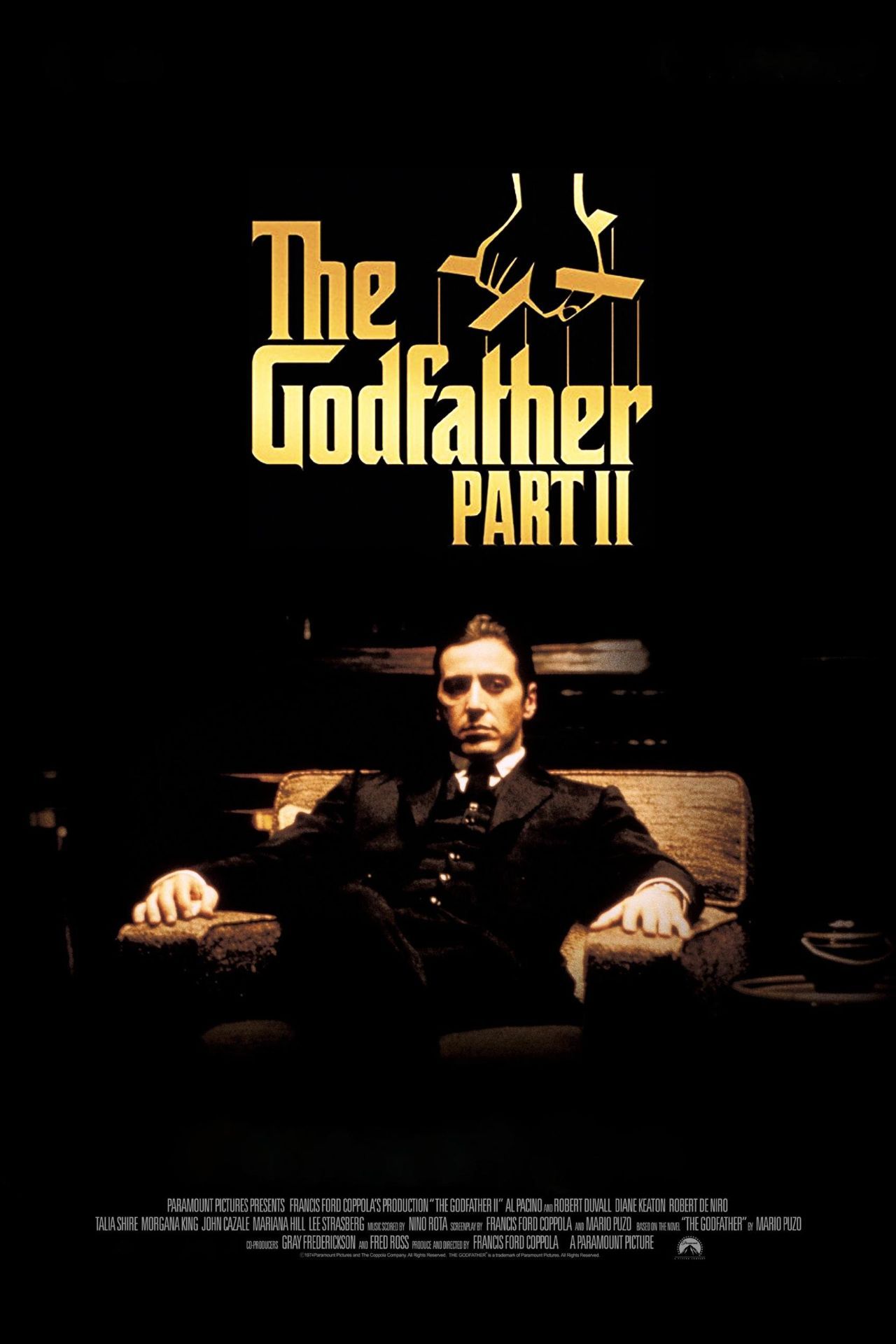
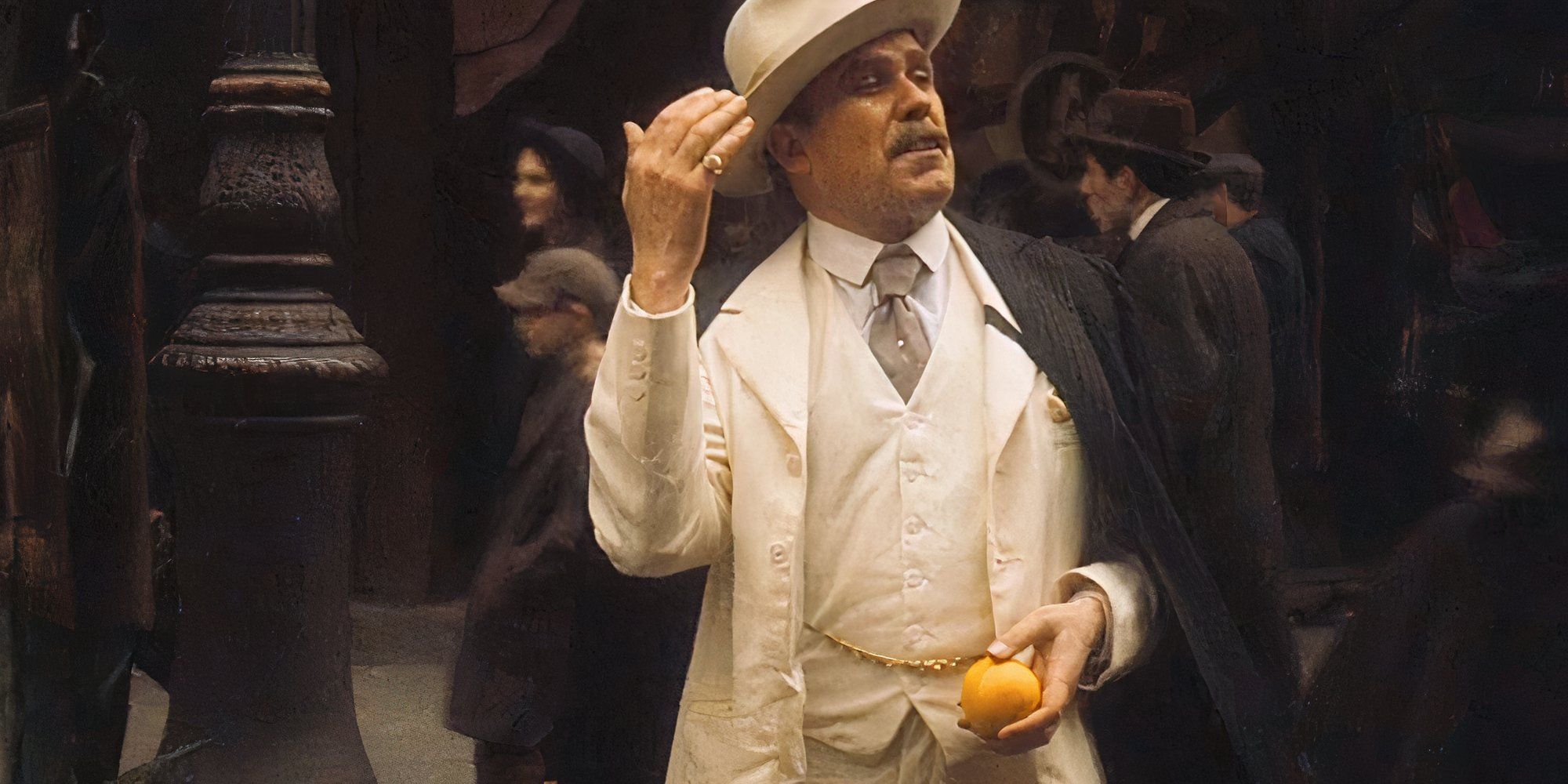
It’s uncommon for a sequel to outshine its predecessor, but many contend that The Godfather: Part II is one of the finest sequels/prequels that excels from beginning to end, largely due to its exploration of Vito Corleone’s backstory. This not only enriches our understanding of the iconic character but also creates a striking contrast between father and son. In Vito’s narrative, the local boss, Don Fanucci ( Gastone Moshin ), realizes that Vito ( Robert De Niro ), Peter Clemenza ( Bruno Kirby ), and Salvatore Tessio ( John Aprea ) are profiting without giving him a share.
Vito agrees to let Fanucci take a cut but assures Clemenza and Tessio that Fanucci won’t see a dime (“I’ll make him an offer he can’t refuse”). After their meeting, Fanucci picks up an orange during the Feast of San Rocco. Shortly after, he unexpectedly encounters Vito, who is waiting to ambush him. The orange serves as a suspenseful element, heightening the tension of the scene as audiences anticipate an unfortunate outcome.
8
Meeting The Commission Before Being Ambushed
‘The Godfather: Part III’ (1990)
Image via Paramount Pictures
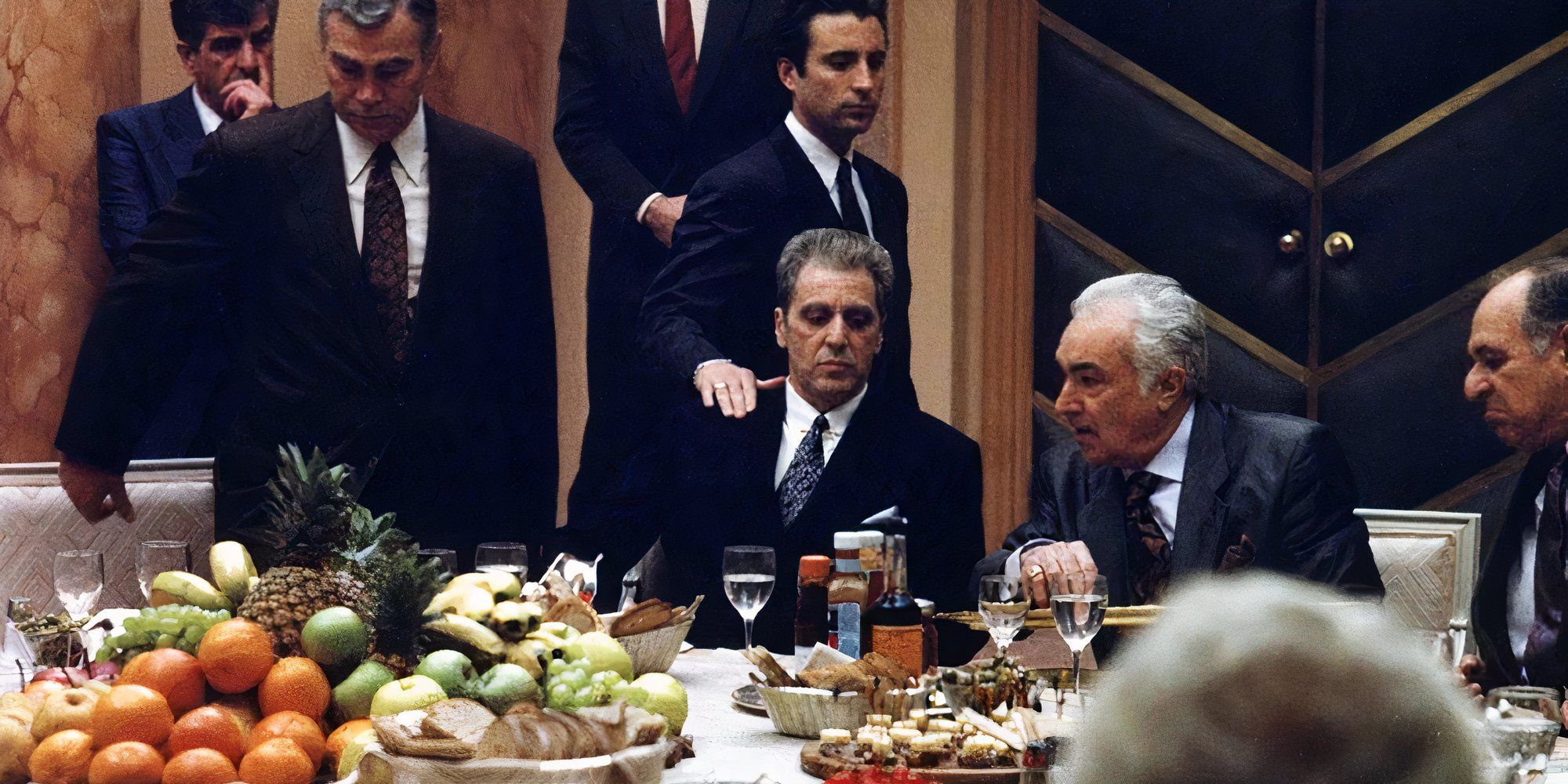
In The Godfather: Part III, the Commission seeks to be part of the Immobilaire deal, but Michael aims to legitimize the Corleone family and offers to sell his Las Vegas shares instead. During a meeting with the Commission, a large bowl of oranges is prominently displayed on the table. When an orange rolls onto the table, chaos ensues as they are ambushed by gunfire from a helicopter.
After a narrow escape, Michael realizes that Don Altobello ( Eli Wallach ), Connie’s godfather, orchestrated the attack, resulting in Michael suffering a diabetic stroke. Coppola elevates the significance of oranges in this scene, leading viewers to believe it’s merely an attack on the Commission, yet it cleverly reveals deeper layers of betrayal and tension.
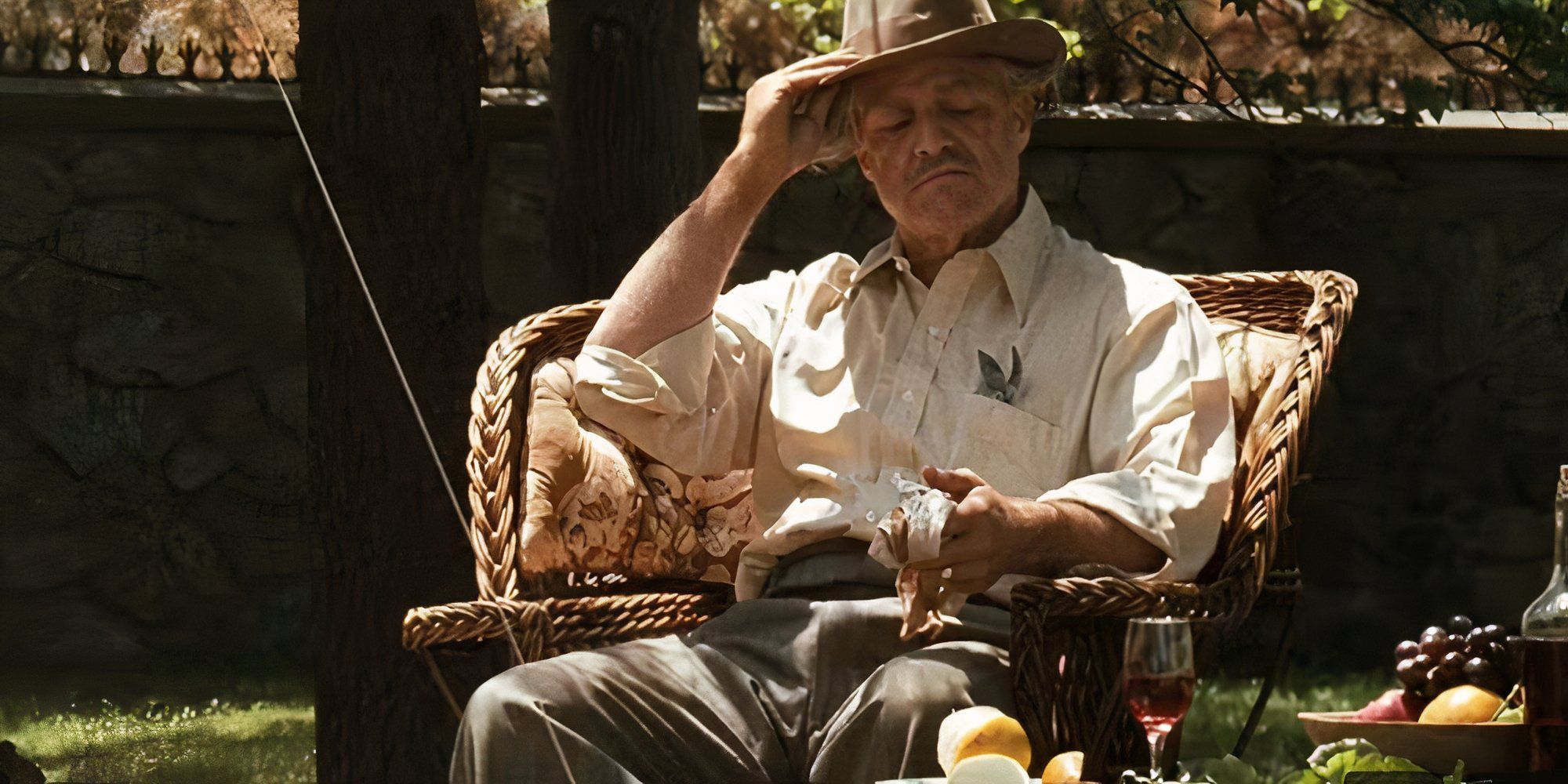
Near the end of the first film, Vito is seen outside in his garden with his grandson, enjoying wine and peeling an orange. He tries to entertain his grandson with the peels, inadvertently scaring him. Once the boy realizes it’s a game, he playfully chases Vito through the garden, but the moment takes a tragic turn when Vito suddenly collapses and dies.
Vito’s death scene exemplifies Coppola’s attempt to balance lightness with the gravity of the moment. The scene is vibrant, showcasing the colorful surroundings, from ripe tomatoes to lush grass and sunlit fruit. Given that Vito was purchasing oranges when attacked earlier, it’s no coincidence he is also seen eating one before his demise. The foreshadowing of Vito’s death is one of the most poignant moments involving an orange. As he shares his last moments with his grandson, it highlights Vito’s humanity beyond being just a mob boss.