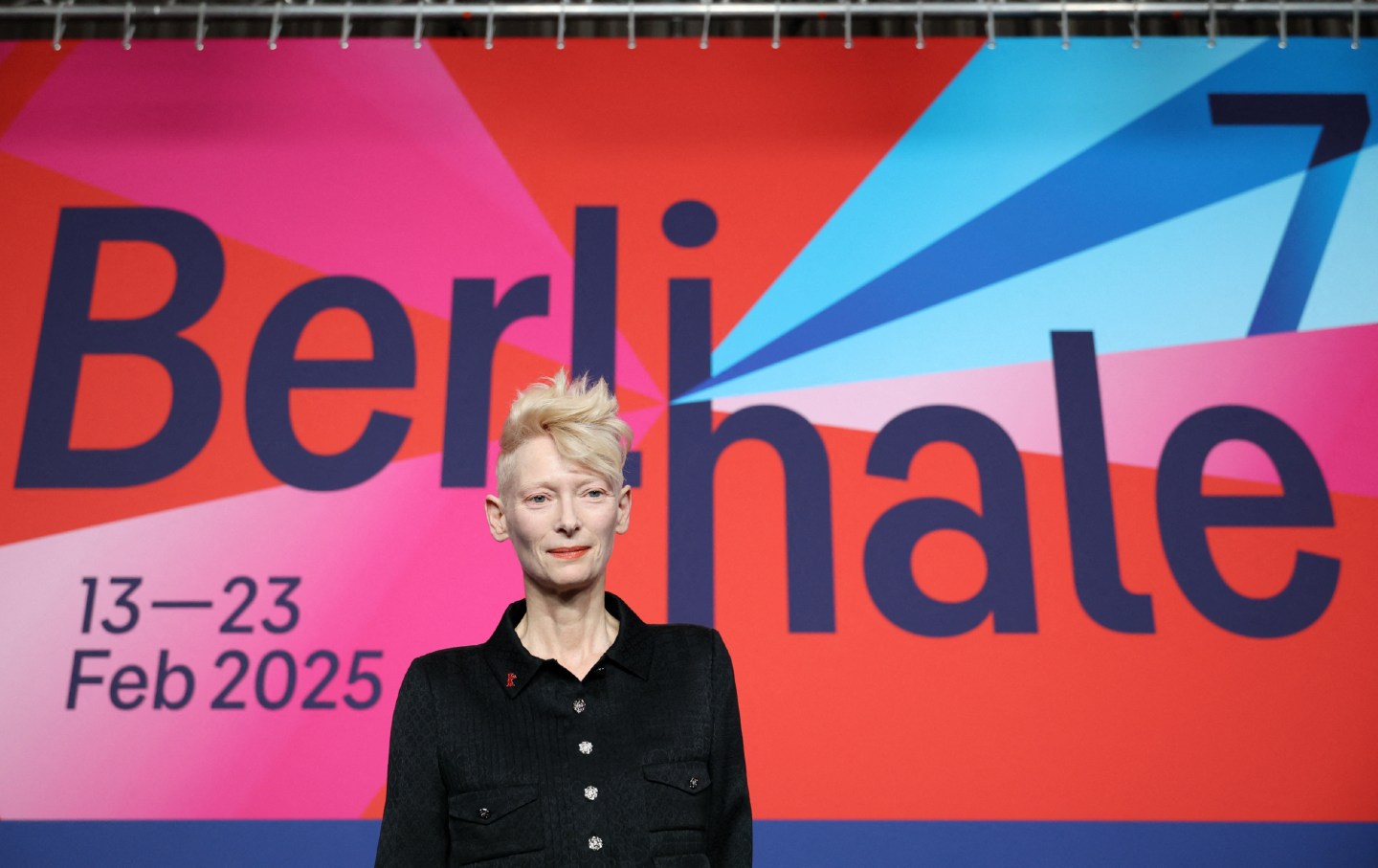
At the Berlinale’s 75th anniversary, the festival unfolded amidst global turmoil, yet the “borderless realm” of cinema provided a unique refuge.
On February 13, during the festival’s opening press conference, Todd Haynes, the jury president, was asked how the political climate in the U.S. would influence filmmaking. As snow blanketed Berlin’s Potsdamerplatz, a once-divided area during the Cold War, the atmosphere hinted that the world might change significantly by the festival’s end.
With the far-right gaining unprecedented traction in Germany ahead of snap elections on February 23, and alarming developments in U.S. cultural policies under President Trump, the urgency of the moment was palpable. Haynes remarked, “We are in a state of particular crisis right now in the United States,” emphasizing the need for collective resistance.
The Berlinale, established in 1951 as a cultural response to postwar Germany, has always been intertwined with political discourse. Tricia Tuttle, the festival director, acknowledged this legacy, stating, “It’s arguably in the DNA of the city itself and also in the festival itself.”
Historical tensions have marked the festival’s journey. In 1970, Michael Verhoeven’s film depicting U.S. war crimes in Vietnam was controversially pulled from competition, leading to a festival boycott. More recently, in 2024, directors expressed solidarity with Palestine during award speeches, igniting debates around antisemitism and freedom of expression in the arts.
As Tuttle began her leadership, she assured filmmakers that their voices would not be stifled. The festival’s theme, “Listen Courageously—Cinematic Narratives in Times of Dissonance,” fostered an environment of open dialogue.
Throughout the event, attendees engaged in conversations about pressing issues, including political sentiments reflected in public spaces. One audience member posted a note in a restroom urging the next chancellor to reject alliances with the far-right.
In a powerful acceptance speech, Tilda Swinton celebrated cinema as a sanctuary, declaring, “We can head for the great independent state of cinema and rest there in an unlimited realm… No visa required.” Her remarks resonated deeply, prompting applause and emotional responses from the audience.
Swinton also addressed the ongoing conflicts, stating, “The wars concern all of us.” In response to inquiries about the BDS movement, she expressed admiration for it but emphasized her belief in the importance of her presence at the festival to advocate for broader causes.
The Berlinale prides itself on accessibility, allowing public participation in screenings, particularly of independent and documentary films that often tackle significant societal issues.
This year featured impactful documentaries such as Yalla Parkour, which explored life in Gaza, and Das Deutsche Volk, reflecting on the tragic murders in Hanau. Other films, like The Moelln Letters, highlighted the long-lasting effects of violence and solidarity in communities.
As the festival concluded, Tuttle highlighted the importance of fostering community through cinema, stating, “If we stop talking to each other—that’s when things are really scary.” The festival’s atmosphere remained hopeful despite the challenging political landscape, as attendees reflected on the events and their implications.
 | The Nation Source: https://www.thenation.com/article/culture/berlin-film-festival-tilda-swinton/ The Nation is a progressive American monthly magazine that covers political and cultural news, opinion, and analysis. |