Bong Joon-ho’s sci-fi film, Mickey 17, presents a unique blend of simplicity and complexity. Set in a future where humanity seeks refuge on another planet due to Earth’s decline, the film explores deep themes of existence and the human condition amidst a comedic backdrop.
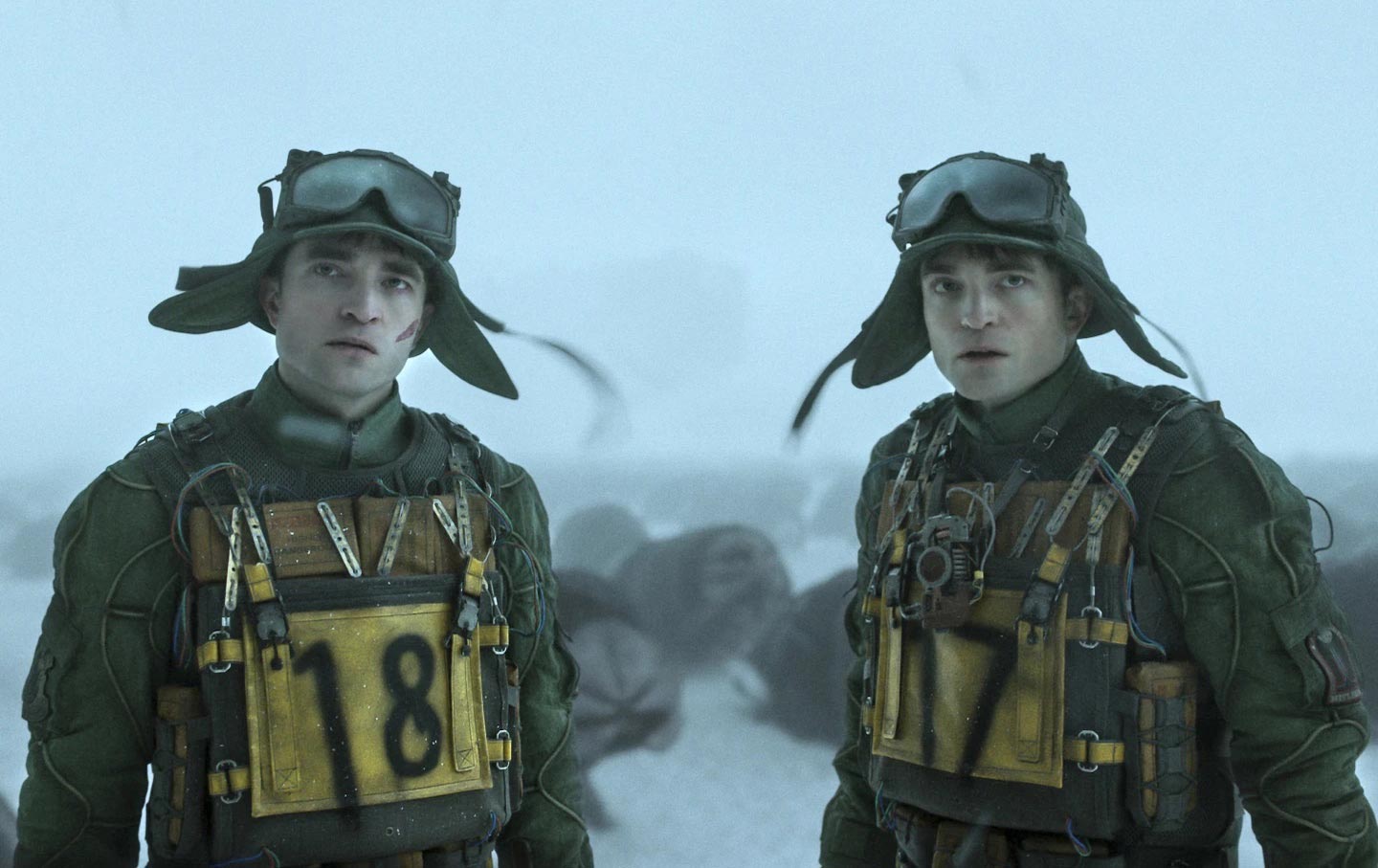
The protagonist, Mickey (Robert Pattinson), is introduced in a perilous situation on the icy planet Niflheim, where he faces a grim fate as an “expendable.” This term highlights his lack of value; he is designed to die repeatedly for the benefit of others. His life is filled with harrowing tasks that blur the line between living and merely existing, much like gig economy workers who are both essential and disposable.
The technology of “human printing” creates these expendables, a practice banned on Earth due to ethical concerns. Yet, Kenneth Marshall (Mark Ruffalo), a former politician, justifies this practice under the guise of public service, exploiting the legal gray areas of space. This process raises philosophical questions about identity and humanity, as the printed beings are mere shells until infused with memories.
Adapted from Edward Ashton’s novel, Mickey 17 echoes Bong’s previous films, where an everyman confronts systems of exploitation. However, in this sci-fi context, the film struggles with balancing its various spectacles and themes. The ethical dilemmas surrounding human printing intrigued Bong, making the film both his most straightforward and convoluted work.
The narrative features multiple iterations of Mickey, with many meeting grisly ends as part of experimental trials for a vaccine. This cycle of death and rebirth emphasizes the horrors of their existence, culminating in the revelation that the colonial project is also developing a weapon against the planet’s native creatures, the Creepers, who are misunderstood and misrepresented.
As the story unfolds, the emergence of a new Mickey before the previous one dies raises existential questions about identity and continuity. Pattinson’s portrayal distinguishes the two Mickeys, with his performance capturing the nuances of both characters. The comic and tragic elements intertwine as Mickey grapples with his identity and the implications of his existence.
A redeeming aspect of Mickey’s journey is his relationship with Nasha (Naomi Ackie), a soldier who supports him through his trials. Her unwavering love spans across the iterations of Mickey, showcasing a deep emotional connection that transcends the film’s darker themes.
The film also critiques colonialism and the ethical ramifications of exploitation, juxtaposing personal narratives with broader societal issues. Bong’s work often navigates complex themes, and Mickey 17 continues this tradition, blending humor and horror in a compelling narrative.
Despite its flaws, Mickey 17 remains engaging, showcasing Bong’s ability to balance different tones. The absurdity of the situations Mickey faces, such as being sent to experience lethal radiation levels, highlights the film’s dark humor. The interplay between the comedic and horrific aspects provides a unique viewing experience, inviting audiences to reflect on deeper questions about existence and identity.
Ultimately, Mickey 17 exemplifies how genre can enhance cinematic storytelling, offering a rich exploration of human experience through its absurd lens.
 | The Nation Source: https://www.thenation.com/article/culture/mickey-17-bong-joonho/ The Nation is a progressive American monthly magazine that covers political and cultural news, opinion, and analysis. |