Most mall advertising guides are written for the brand buying the ad space. If you’re the centre selling it, your buyers are mostly your own tenants. Big landlords show the model: Westfield Rise announced audience-measured LED screens for 10 US centres in 2025 (International Council of Shopping Centers, April 2025).
Syndicate sells shopping centres their own shopper app and operator dashboard, so we have a stake in what you choose.
Who buys advertising in a shopping centre?
Your tenants come first, whether it’s a store opening, a seasonal sale or a new menu in the food court. After them come local businesses that want to reach your shoppers, and national brands that usually buy through media companies.
If you search for “mall advertising”, every page that ranks is written for the buyer. Guides from OneScreen, AdQuick and Billups walk a brand through digital signage, kiosks, food court placements and exterior billboards. That helps if you’re buying ad space, but it says little to a landlord deciding what to sell.
From your side of the table, the questions are different: what ad space do you control, who will pay for it, and what proof will they ask for before they do?
What is a retail media network, and what did Westfield and Simon do?
A retail media network is a business that presents its own audience and data to brands for advertising. Amazon and Walmart made the term famous, and landlords are now doing the same with their properties.
Unibail-Rodamco-Westfield launched its media division, Westfield Rise, in Europe in 2022, Chain Store Age reported. For the US, it announced nearly 300 eight-foot LED screens across 10 centres, to debut in 2025 with audience measurement from Quividi, as ICSC reported in April 2025. ICSC is the International Council of Shopping Centers.
The same ICSC article reports that Simon Media & Experiences partnered with Adentro, which uses anonymized location data from shoppers on Simon’s Wi-Fi to target ads. In both cases the landlord is selling measurement as well as space, which is what our post on cross shopping data covers.
A regional centre won’t install 300 screens. It can copy the logic: know who’s in the building, and show a tenant what kind of result their ad produced.
What does mall advertising cost?
Mall advertising rates are rarely published. OneScreen’s guide gives a range from a few hundred dollars a month for static displays to $20,000 or more for premium digital units, without naming a source. So treat any figure like that as a sales estimate rather than a market rate.
Without a published market rate, your price comes down to what you can show a tenant: your traffic, your audience and the results their placement produced. Our checklist for a mall app demo includes the report your tenants should expect to get.
Should you sell it yourself or hand it to a media company?
Handing your screens to a media company on revenue share has a strong case. They bring a sales team and national advertisers you might never reach on your own, and there’s little work on your end.
What you give up is control. The media company sets the rates, keeps the advertiser relationships and holds the audience data, and placements that promote one of your own tenants rarely fit that kind of deal. That’s where your own ad inventory comes in.
Before you start selling to tenants, check your leases. If they already charge a marketing or promotional fund, expect tenants to ask whether they’re already paying for this. Keep fund-paid centre marketing separate from paid placements that promote a single tenant, and make it clear which is which.
What can a regional centre sell without buying screens?
Start with what you already have, because directory screens, static panels, the food court, event stages and your social accounts are all ad inventory. Are your tenants getting any of it for free today?
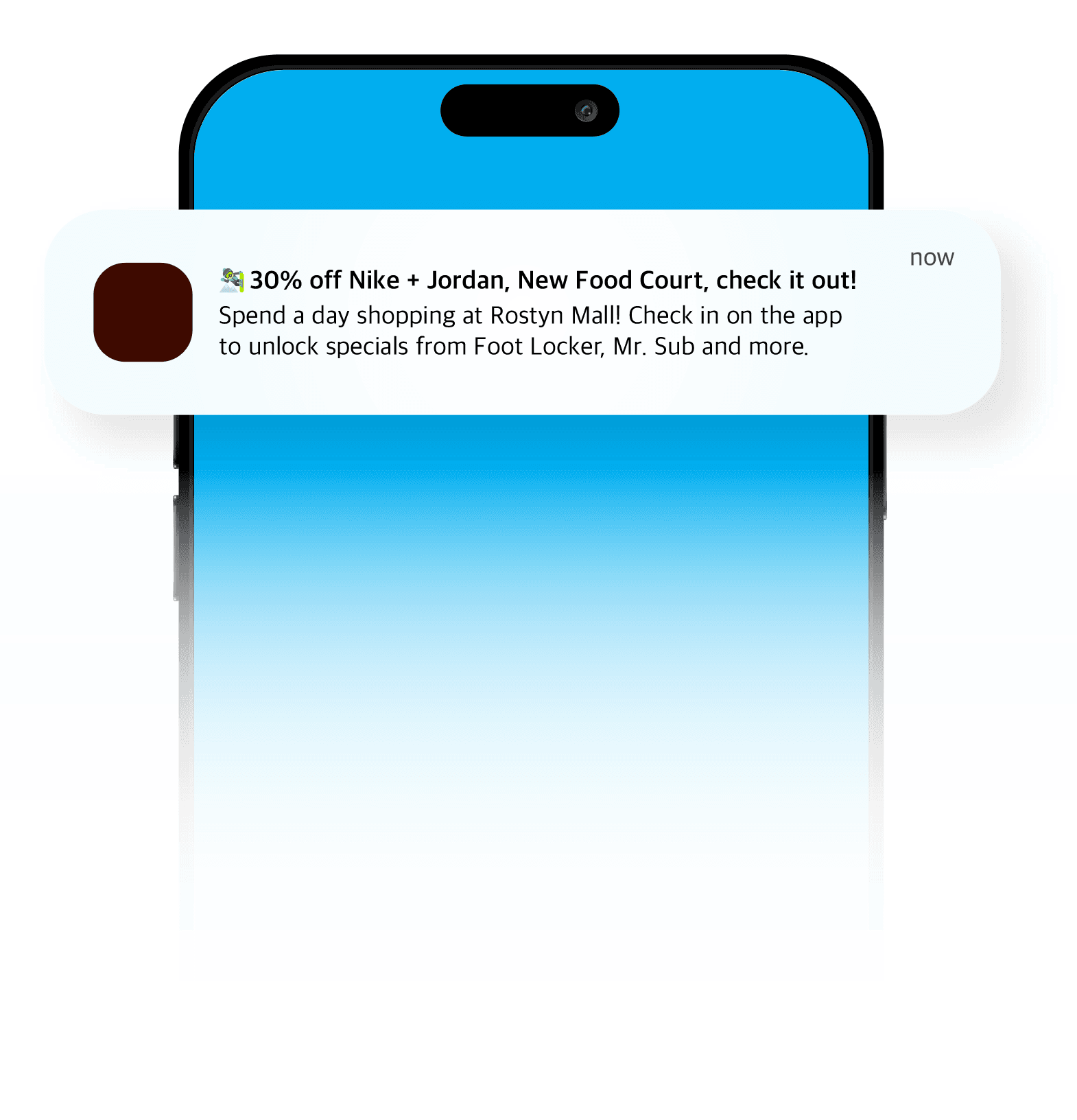
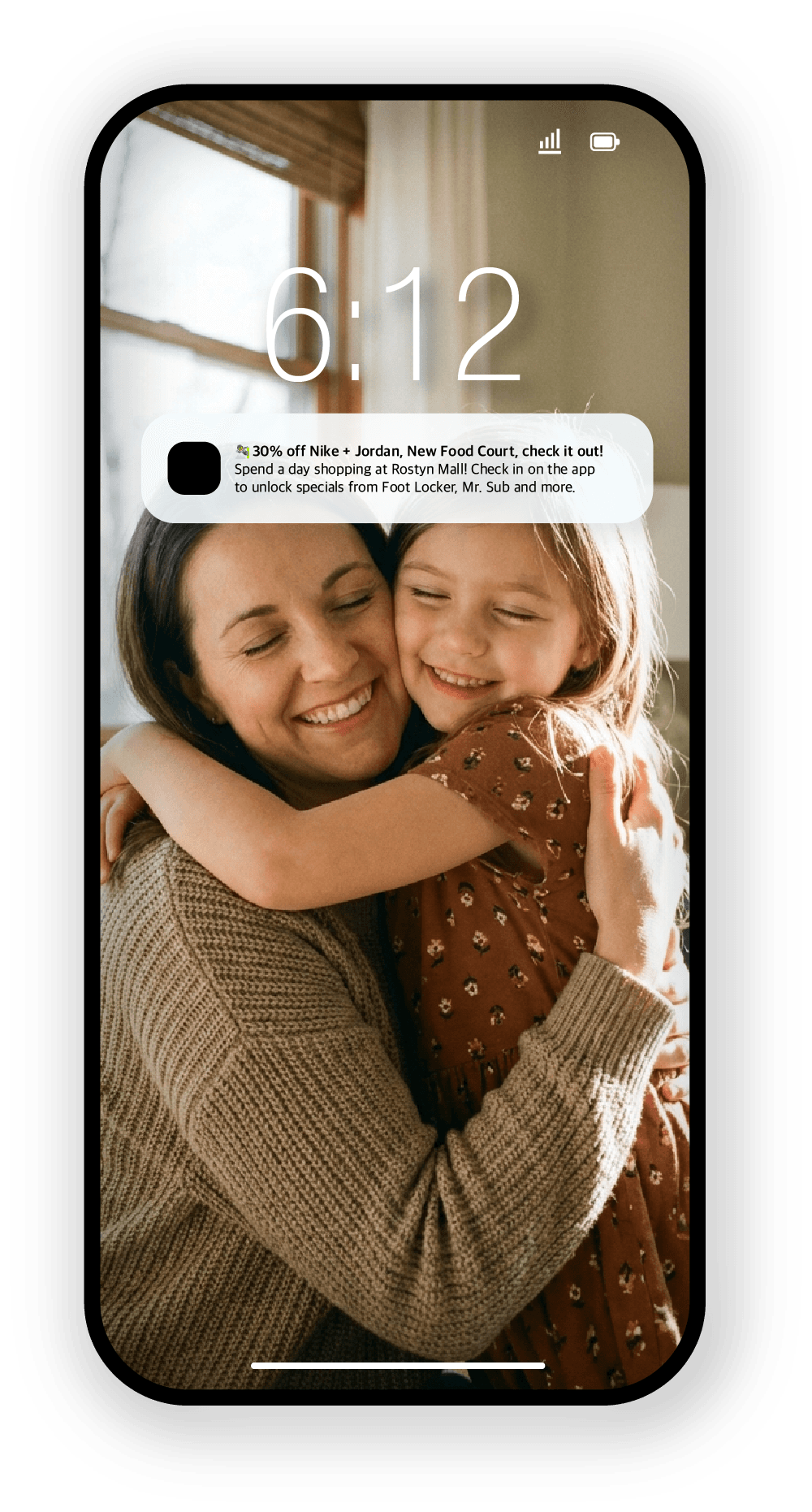
You can also sell ad slots inside your own app, such as a home-screen banner, a featured offer, a sponsored event or a push notification to shoppers who opted in. Each tenant will want to know what their placement did, so decide how you’ll report on it before you sell it.
How do you price it before you have data?
Fill in this table before you set any prices. It shows which placements you can price right away, and which need a month of numbers behind them first.
Rate-card worksheet for your centre
| Placement | Likely buyer | Proof a tenant will ask for | When to price it |
|---|---|---|---|
| Directory or corridor screen | Tenants, local brands | Footfall near the screen, weeks on air | After a month of data |
| Food court panel | Food tenants, local services | Seats, peak hours, dwell | Now, against local media rates |
| Event sponsorship | Tenants, regional brands | Attendance, photos, social reach | Now, from your event costs |
| Home-screen banner in your app | Tenants | Views and taps, and how they’re counted | After a month of data |
| Featured offer in your app | Tenants | Redemptions in store, and how they’re counted | After a month of data |
| Push notification to opted-in shoppers | Tenants, events | Notifications opened | After a month of data |
The placements you can price now already have a cost or a local comparison behind them, while the app placements should wait for your first month of numbers.
What would this look like with Syndicate?
With Syndicate, your centre gets its own app in the App Store and Google Play. Your tenants can buy ad slots in the app, and the operator dashboard shows what kind of results were attributed to your app’s numbers.
Inside our operator dashboard, an AI advisor helps analyze the numbers, and drafts tenant campaigns and recommends strategies to your marketing team. We’d start with a pilot on one piece of the property.
Sources were checked in November 2026.
Would it be a bad idea to see which ad slots your centre could sell first? Book a time or phone 1-844-404-4796.